


Texon boosts recycled material use by 250% in 2021
As it marks its 75th anniversary this year, UK-based footwear components maker Texon has published its third sustainability report and revealed it is on track to meet the sustainability targets it has set for 2025.
Benchmarking progress against its 2015 data, when it started measuring its environmental footprint, Texon has reported a 27% reduction in yearly greenhouse gas (GHG) emissions intensity, achieved a 9% reduction in its use of virgin materials, made 46% of its waste recyclable or reusable, and realised an 8% reduction in water use and water waste.
By 2025, the company aims to have reduced its carbon footprint by 50%, reduced its use of virgin materials by 50%; made 90% of its waste recyclable or reusable; and cut its water use and water waste by 20%.
All of Texon’s EU production facilities are now powered by green energy. At its Möckmühl site in Germany, Texon reduced energy consumption by 4.7% in 2021 and the also cut the use of both gas and electricity by 3% at its Dongguan plant in China.
The business has also partnered Dutch firm Ecochain to conduct a Life Cycle Assessment (LCA). Initially, this work will focus on Texon’s non-woven production sites and new product launches.
Texon has calculated its new Sportflex Bio product shows a 48% CO2 reduction compared with the previous Sportflex generation. Similarly, Reform 2.0 and X8R-EPM5 now have a reduced carbon footprint compared to predecessor products (down 11% and 31% respectively).
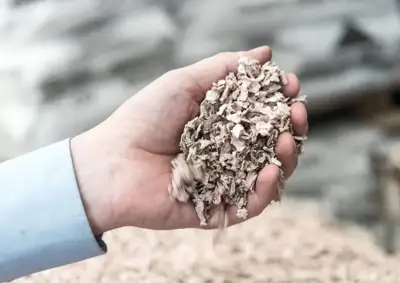
Texon continued cutting its use of virgin materials in 2021 with a year-on-year increase in recycled content of 250% compared with 2020. The business gave several core products a face lift – replacing staple virgin fibres with recycled alternatives. One such example is Texon Reform 2.0. This product contains up to 66% sustainably sourced content, whilst offering the same physical traits as its predecessor. There were also site-specific improvements throughout 2021: Texon Vietnam now uses recycled yarn as its standard offering; while 70% of all fibre and resin purchases at Dongguan come from recycled or renewable sources.
Texon’s Ripatransone site in Italy recycles 100% of its waste internally and reuses it, making the products produced there zero waste. The site also transports its customers’ waste back to site – using it as secondary fibres instead of tissue or other virgin content.


