New report on fibre fragmentation
12/12/2025
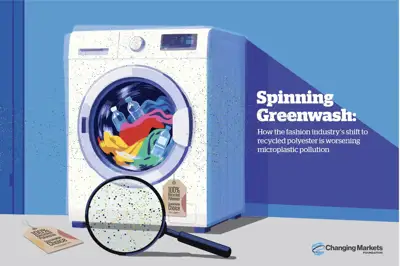
These items were testing using two laundering methods, the GyroWash, which measures fibre count and fibre size, and the Wascator, which assesses total fibre mass loss. Results found that recycled polyester releases the highest number of fibres and the finest particles, which Changing Markets says worsens the microplastic pollution problem.
Its findings contradict prior research by The Microfibre Consortium, see here.
The report found that some garments labelled recycled polyester may have actually been made from virgin polyester (Shein’s in particular). It does not distinguish mechanically recycled PET plastic flakes from other methods, such as textile-to-textile or chemically recycling, which would have been useful. In addition, Changing Markets recognises that the value of the study is affected by variations in garment types and construction across brands.
In a webinar held this week, IFTH, a French textile institute, mentioned the new report and highlighted the importance of comparing textiles of exactly the same spinning, fabric-making and finishing processes to obtain reliable data.
The report, “Spinning Greenwash: How the fashion industry’s shift to recycled polyester is worsening microplastic pollution”, can be accessed here.